Products & play
- Riddles, wordplay, geofenced clues, story worlds, treasure research, and real walks with a finish line.
- The design rule I hold myself to: an answer should feel fair in hindsight.
About the studio
I'm Adam Quane. No Evil Star Studios is a one-person creative laboratory in Colorado. I'm a data engineer by trade and a musician by training; the studio is where I combine those disciplines in games, private business software, research tools, and experiments.
No Evil Star started as a music name and stuck around long enough to become the studio name. It fits — a little odd, hard to place, and mine. Today it covers mobile games, Budgy's private budget and wealth tools, a treasure-research site, an RPG, and smaller experiments.
The studio is deliberately small. I design, write, integrate, and build the work myself. Halloway exists because I love locked-door riddles; City Seekers because I wanted a reason to walk new cities; Budgy because the studio needed to understand its own costs. I stay open to collaborators when an idea benefits from another perspective.
My professional background is in operational data: SQL, ETL, partner integrations, eligibility and accumulator files, reporting, metadata systems, scheduling, APIs, and data-lake work. The same discipline now sits underneath the studio's games and private tools.
That work taught me to make contracts explicit, trace data through a system, test the important paths, and automate repetitive work. The studio applies those habits to app-store releases, payments, financial connections, cloud deployments, monitoring, and AI-assisted development.
Clear models, reliable state, useful automation, careful testing, and respect for the unglamorous parts that keep software alive.
Data engineering and integration leadership across healthcare and benefits systems, alongside hands-on product work. The detailed chronology lives on LinkedIn.
Tools I reach for
My background in jazz guitar still shapes how I think: patterns, structure, improvisation, listening, repetition, and knowing when to follow the rules versus when to explore. Software scratches a similar itch — creative, technical, structured, and open-ended all at once.
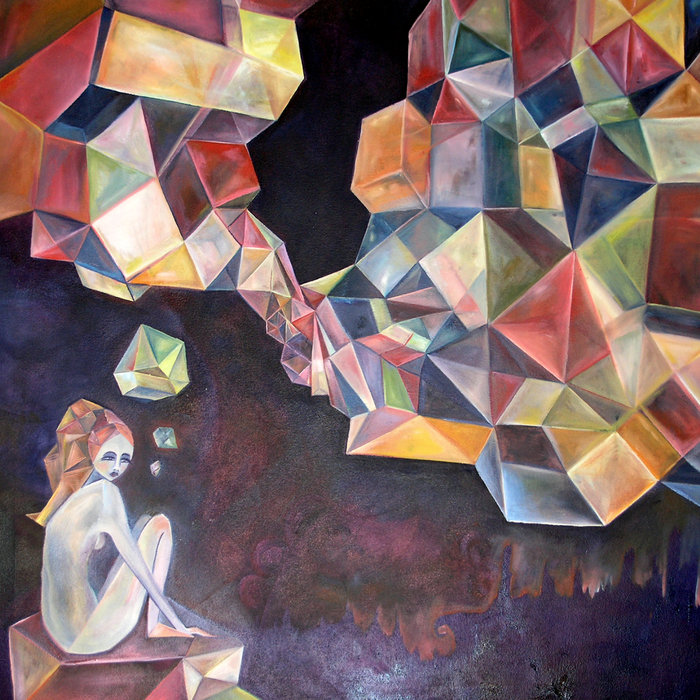
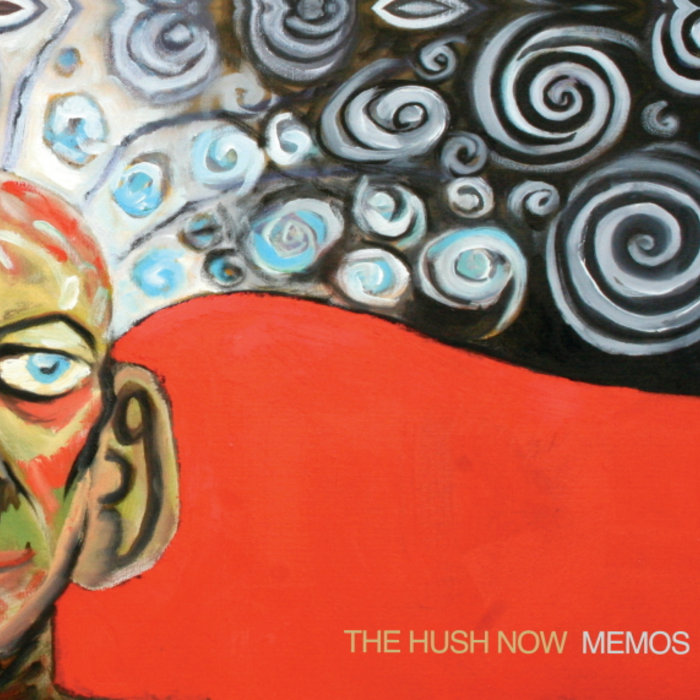
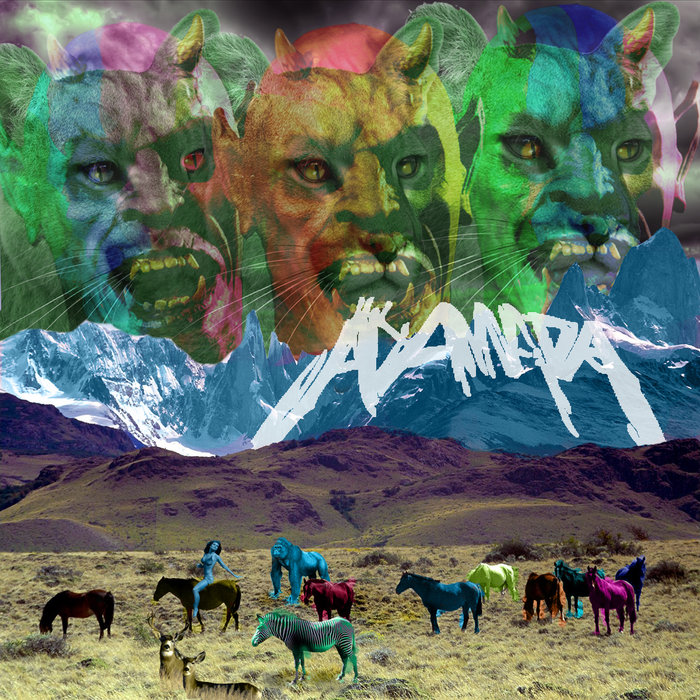
Before this site became a project map, music was the original lab: solo recordings, band records, small collaborations, and experiments where structure and instinct had to share the same room.
Formal music training
Conservatory training and composition work before the software chapter.